
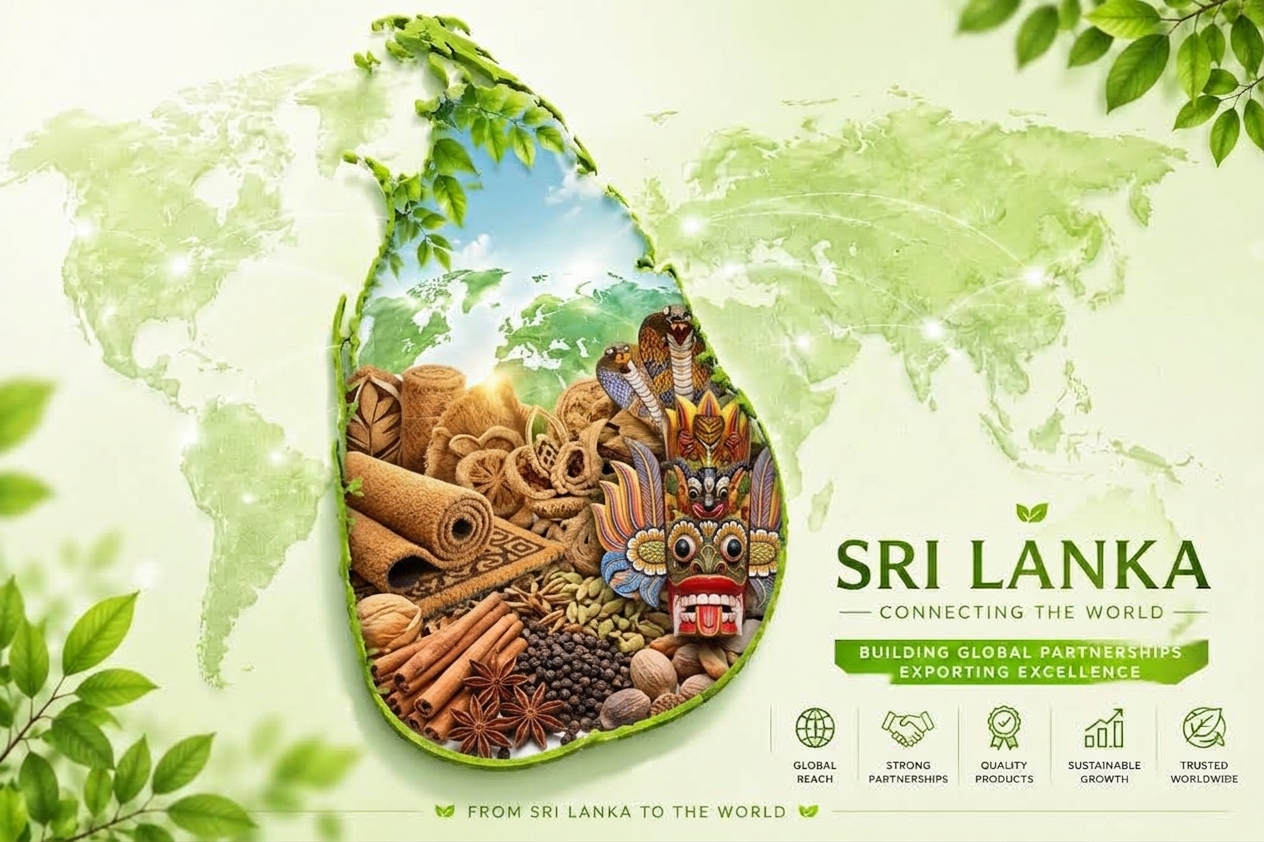
In the heart of the Indian Ocean lies a small island with a remarkable story. Sri Lanka, once known to the world as Ceylon, is a land where ancient heritage, extraordinary nature and international trade have been connected for centuries. Though modest in size, the island has always held a special place in the world because of its strategic location, natural abundance and rich cultural heritage.
Sri Lanka’s history stretches back thousands of years. Ancient kingdoms such as Anuradhapura and Polonnaruwa built sophisticated civilizations, remarkable irrigation systems and magnificent monuments that continue to stand as symbols of the island’s ingenuity. Its heritage lives not only in ancient cities, temples and monuments, but also in traditional craftsmanship, agriculture, art and the knowledge passed from one generation to another. This enduring heritage has helped shape the unique identity of the island and its people.
Nature has been equally generous to Sri Lanka. From golden beaches and tropical forests to mist-covered mountains, fertile plains, rivers and waterfalls, the island offers an extraordinary diversity of landscapes and ecosystems. Its fertile soil and tropical climate have created ideal conditions for cultivating some of the world’s most valued agricultural products. Tea, cinnamon, coconut, rubber, spices, tropical fruits and other natural products have become closely associated with the name of Sri Lanka.
For centuries, these resources have connected the island with the wider world. Long before modern shipping and global supply chains, merchants travelled across the Indian Ocean in search of Sri Lanka’s renowned spices, cinnamon, precious gems, pearls and other valuable commodities. Its location along important maritime routes made the island a natural meeting point between East and West, bringing together merchants, cultures and civilizations from distant lands.
The legacy of that ancient trade continues today. Ceylon Tea, Ceylon Cinnamon and Ceylon sapphires have carried the island’s name across international markets, while modern Sri Lanka has developed a diverse export industry encompassing coconut and coir products, spices, rubber, apparel, food and beverages, fisheries, gems and jewellery, engineering products and other value-added goods. What began with the exchange of natural resources and traditional commodities has evolved into an increasingly sophisticated economy built on agriculture, manufacturing, craftsmanship, technology and human expertise.
Perhaps this is what makes Sri Lanka’s export story so meaningful. It is not simply about products leaving an island and reaching foreign markets. It is about transforming the resources, skills and heritage of a nation into value that can be shared with the world. From a coconut grown in a tropical village to a finely crafted product reaching an international customer, every export carries a small part of Sri Lanka with it.
Today, Sri Lanka continues to look outward, building upon centuries of commercial relationships while embracing new opportunities in global trade. Its natural resources, skilled workforce, entrepreneurial spirit and strategic location provide a strong foundation for connecting the island with markets around the world.